Why Diets Don’t Work (And When They Do)
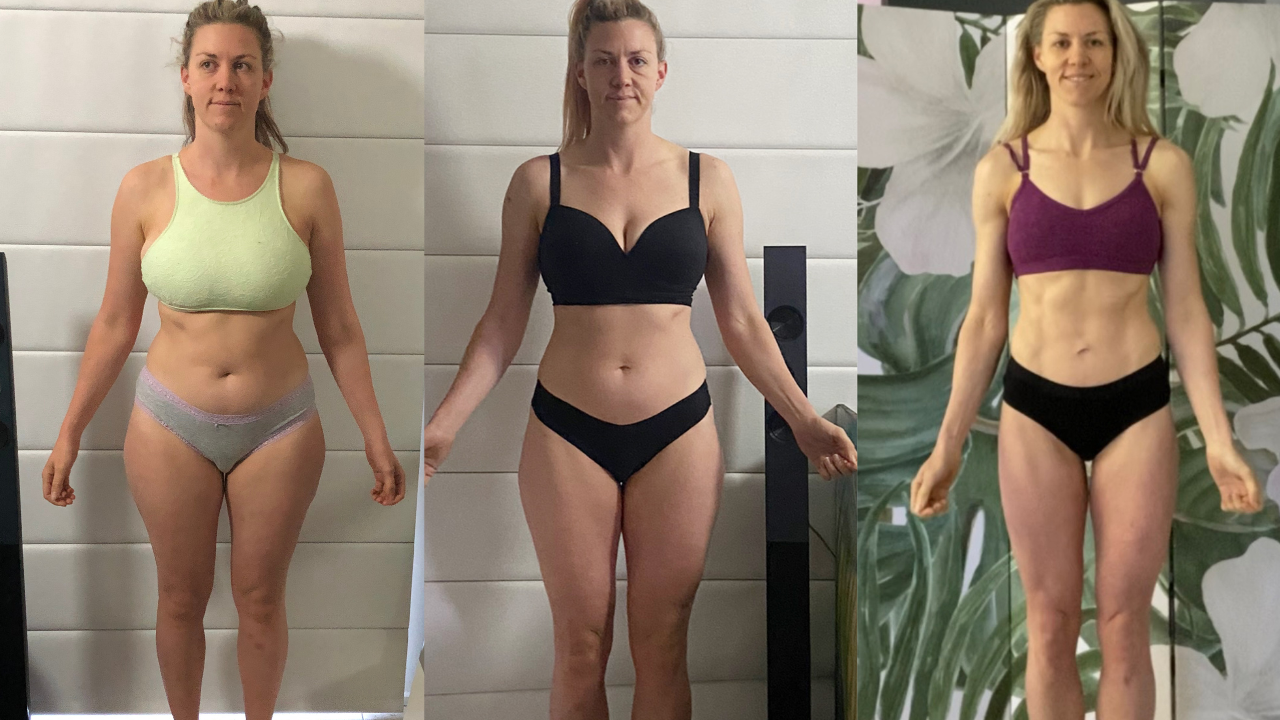
Dieting has been positioned as the primary solution for weight loss since the Western world's beginnings. Structured plans, ‘clean foods’, rigid rules, and promises of transformation dominate the health industry. Yet, despite widespread participation, long-term success remains relatively rare.
This isn’t because people lack discipline or motivation. The issue is more complex: most diets are not designed for long-term sustainability, and they often work against both human biology and behaviour.
Understanding why diets fail, and when they can succeed, provides a far more useful framework for approaching fat loss in a way that actually lasts - and I know this as I’ve supported women in long term weight loss for over a decade.
The Reality of Dieting Outcomes
Most diets produce short-term weight loss. However, maintaining that loss is significantly more difficult. Research consistently shows that a large proportion of individuals regain weight after dieting:
- Around 80% of lost weight is regained within five years
- Only 10–33% of people achieve meaningful long-term weight loss (commonly defined as maintaining at least 10% weight loss for one year or more)
- Regain often begins within the first one to two years after dieting
We are often told it’s a “95% failure rate” but regardless of the statistics the overall trend is clear: weight regain is common, and sustained results are the exception rather than the norm.
Why Diets Often Fail
1. They Do Not Address Lifestyle
Most diets are designed as temporary interventions. They impose a set of rules - what to eat, what to avoid, when to eat, and these rules differ sharply from a person’s usual habits.The person dieting then believes she can ‘go back to how things were’ in order to maintain it, but this is not how it works.
The body you are in now is a result of how you move, eat, socialise, sleep, and what you carry internally when it comes to emotions and trauma. So if underlying drivers of weight gain are not addressed, weight loss can not be maintained.
Sustainable outcomes require changes that are sustainable, rather than temporary strategies that override it. You’re also required to learn about food, and yourself, and integrate this into daily life. A great coach can support you in doing this.
2. The Body Adapts to Restriction
Calorie restriction triggers a series of biological responses aimed at conserving energy. These include:
- A reduction in metabolic rate
- Increased production of hunger hormones
- Decreased feelings of fullness after eating
This process, often referred to as metabolic adaptation, reflects the body’s attempt to defend against perceived energy scarcity. From an evolutionary perspective, this response is protective. In a modern dieting context, it makes sustained weight loss considerably more difficult.
As a result, individuals may find that weight loss slows over time, while hunger increases, which is an increasingly challenging combination to maintain, unless you approach it in the right way.
3. Psychological Effects of Restriction
Dieting does not only affect the body; it also alters how individuals think about food.
Rigid dieting frameworks often divide foods into categories such as “good” and “bad,” encouraging an all-or-nothing mindset. This can lead to cycles of strict adherence followed by periods of overeating once the rules are broken.Research suggests that restricting certain foods can increase their psychological appeal, contributing to cravings and loss-of-control eating episodes.
Over time, this pattern can erode one’s relationship with food, making consistent behaviour even harder to sustain. To support this, I teach my clients Flexible Dieting, which is a way to learn how various foods can be supportive of a healthy lifestyle and body weight.
I have a short course teaching this, if you want to check it out here.

Flexible dieting is not the ‘solution’, but instead a necessary bridge between where you are now and where you want to be - eating freely and intuitively but without destroying your body in the process.
4. Adherence Declines Over Time
Even the most well-designed dietary plan is only effective if it can be followed consistently. In controlled research settings, where food is provided and adherence is closely monitored, participants can maintain high levels of compliance. However, outside these conditions, within the complexity of everyday life (and lets be honest here, life is complex), adherence typically declines
Factors such as social environments, stress, time constraints, and personal preferences all influence eating behaviour. Diets that require sustained restriction or rigid control are particularly vulnerable to breakdown over time.
5. Maintenance Is Undervalued
Most dieting approaches focus heavily on the weight loss phase, with little emphasis on what follows. However, maintaining weight loss requires its own set of skills:
- Adjusting calorie intake as energy needs change
- Establishing stable eating patterns
- Navigating life events without reverting to previous habits
Without a clear strategy for maintenance, even successful weight loss efforts often prove temporary. Many women don’t even know what ‘maintenance calories’ actually mean, and thus cannot maintain the weight loss.
When Diets Can Be Effective
Although diets often fail in the long term, this does not mean they are inherently ineffective. In fact, most dietary approaches can produce results under the right conditions.
Diets tend to work when:
- A consistent calorie deficit is maintained - Fat loss ultimately depends on sustained energy imbalance.
- The approach is sustainable - Eating patterns that can be maintained long-term are significantly more effective than extreme or restrictive plans.
- Adherence is high - Research shows that adherence is one of the strongest predictors of success in dietary interventions
- Behaviour change accompanies the diet - Long-term success is more likely when individuals alter their underlying habits, not just their short-term intake.
- Support and structure are present - Guidance, education, and accountability improve outcomes and increase the likelihood of maintaining results
- Eating ‘parts’ and behaviour is addressed - much of our eating is a protective behaviour - parts of us eat junk to produce happy feelings and avoid uncomfortable emotions
- Nutrition is learned - we need to know about food and our body in order to know how to look after it.
In other words, diets are most effective when they evolve into sustainable ways of eating rather than remaining temporary ‘diet on, diet off’ solutions.
It’s Not a Test of Discipline
Framing dieting as a test of discipline is both inaccurate and unhelpful. The evidence suggests that most failures are not due to a lack of effort, but to approaches that conflict with biology, psychology, and everyday life.
A more productive question is not which diet is best, but which behaviours can be maintained consistently over time. Long-term change is less about strict rules and more about constructing an environment and routine that supports sustainable choices.
For my clients and coaching process, I do not write meal plans for longer than 8 weeks, pushing clients into self-agency (with support) until they have lost the weight, have overcome beliefs around ‘good and bad’ foods, and understand how to maintain it. Once integration has occurred, my work is complete.
Coaching
For more information on coaching for long term weight loss and lifestyle overhaul, click here, or book a consultation to learn more.
Author