Why Following Fitness Influencers is Wrecking Your Progress
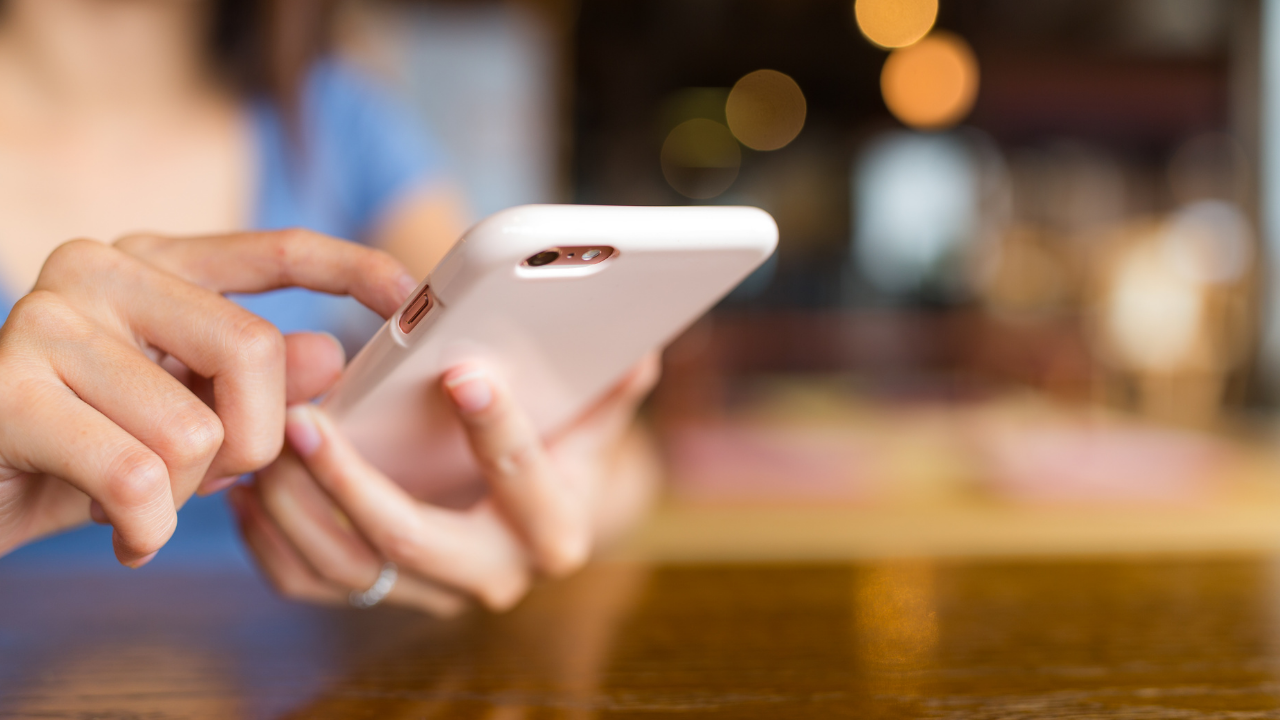
If you are exhausted, frustrated, or staring at your phone wondering why your body doesn’t look like that Instagram girl with 200k followers - take a deep breath!
I’m writing this as a Personal Trainer who has been in this industry for over 20 years, but more importantly, as a woman who has been exactly where you are right now.
I’ve done the restricted diets. I’ve fallen for the "secret hacks." I’ve watched women with zero actual fitness education get millions of views simply because they have a perfectly symmetrical face, expensive lip filler, great lighting, and a weird exercise that highlights their butt, while the brilliant coaches with actual degrees and decades of experience get buried by the algorithm.
In fact, just a few weeks ago I was listening to a fitness influencer who has been around about as long as I have. She spoke about how many years ago, while on the cover of Oxygen magazine, she was deep into a chaotic "party lifestyle." At the time, that was the exact body I aspired to have, and I was absolutely killing myself trying to get it (whilst she was off smashing margaritas and rocking a six pack and no body-fat).
Genetics and hidden realities, eh?
That being said, let's pull back the curtain on how the fitness influencer industry is messing with your body image, your diet, and your bank account, and why the latest trend isn't the missing piece you think it is.
1. The Aesthetic Trap: Why a pretty face is not a fitness qualification.
Here is a bitter pill to swallow about social media: The algorithm does not measure expertise; it measures attention.
Platforms use computer vision scanning to push content. Symmetrical, highly digitised, and "conventionally attractive" features (the tiny nose, the plump lips, the perfectly flat stomach) generate higher user retention scores. When people stare at a pretty face, the algorithm rewards that creator by pushing them onto hundreds of thousands of feeds.
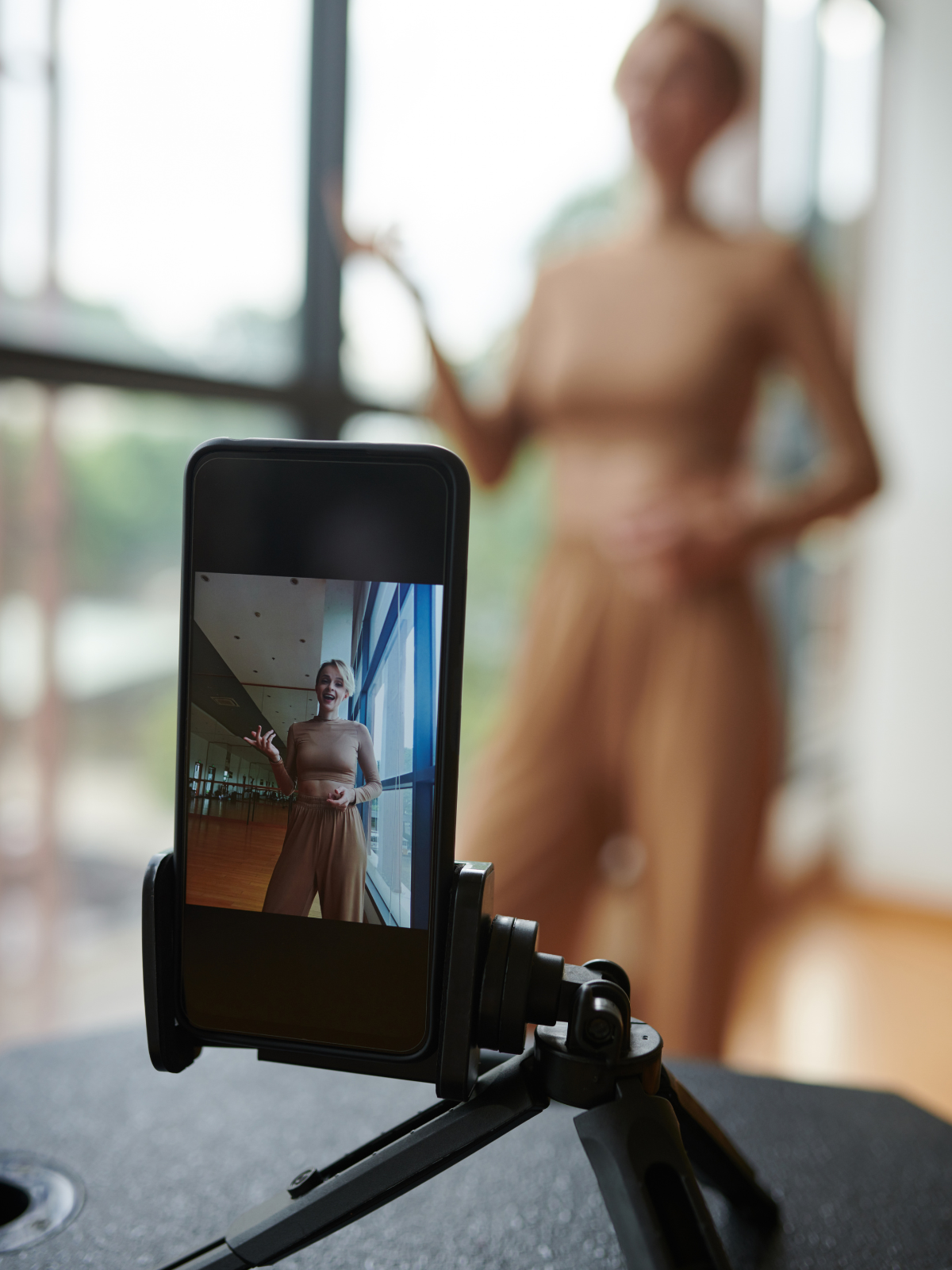
As a PT, I see the fallout of this every single day. A woman with 200k followers posts a video of herself doing useless glute kickbacks or promoting a dangerously low-calorie diet, and it gets millions of views simply because she looks beautiful doing it. You are subconsciously taught to believe that her look = her credential.
In reality, most of these influencers are genetically blessed, heavily filtered, or using things behind the scenes they will never admit to you. They aren’t qualifying their advice with science; they are qualifying it with their appearance (thanks mum, thanks dad).
Because of this, and because of the sheer amount of damage control I’ve had to do over the past decade since Instagram blew up, I have a go-to line when a client asks me what I think about an influencer's suggestion.
First I ask: "Are they hot?" Then they reply: "Yes." And nothing else needs to be said, because in that moment they realise they just wanted it because a pretty girl was selling it, and, pretty sells - even if what they’re selling is absolute bullshit.
2. The Dangerous New Movement: Are peptides safe for weight loss?
The latest wave hitting the fitness space is deeply alarming to me as a trainer. It’s no longer just skinny teas or waist trainers; influencers are now casually pushing clinical-grade compounds like peptides, research chemicals, and extreme fat burners.
You’ll see a video captioned, "How I leaned out in 4 weeks using this peptide protocol," presented by a beautiful woman who smiles, links a sketchy online pharmacy, and claims it’s "completely safe and natural."
Here is what they aren't telling you:
-
The Clinical Reality: Peptides are highly powerful, biologically active chains of amino acids ('proteins'). Many of the ones being hawked online are classified as 'research chemicals' and have not been fully vetted for long-term safety in human beings.
-
The "Why" Factor: Influencers push these because they need novel content to stay relevant and maintain their high follower counts. "Eat a balanced diet, lift weights, and sleep 8 hours" doesn't get 200k followers. "Inject this new cutting-edge compound" does.
-
The Blind Leading the Blind: These women have zero understanding of endocrinology, metabolic feedback loops, or your specific medical history. They are playing doctor with your health just to keep their engagement metrics high.
3. Why social media makes you feel bad about your body.
If you feel like your body image takes a hit every time you open an app, you aren't crazy, and you aren't weak. The system is designed to make you feel that way.
Whistleblower leaks and massive lawsuits against tech giants have proven that platforms know their algorithms make over 30% of teen girls and young women feel worse about their bodies.
Why don't they change it? Because envy and body dysmorphia keep you scrolling.
When you look at an influencer and feel a pang of physical inadequacy, you linger on the photo. The app registers that pause as "engagement" and feeds you more of it. The social media ecosystem feeds on your self-doubt because an insecure user is a captive audience who will buy whatever supplement, peptide, or PDF guide is tossed at them to fix the pain.
To make matters worse, some women prey on other women by intentionally creating jealousy in you. They know you want their body. They know they have it easy. They know they’re not telling you the whole story. But morally, they don’t care. I’ve trained women like this in the past, and I can tell you first-hand that their mindset is not in a place of caring about you whatsoever.
How to protect your mental health from fitness influencers: 3 rules from a PT.
True fitness is actually quite boring. It feels incredible if you do it right, but it is built entirely on progressive overload, eating enough food to actually fuel your life, managing your stress, and giving yourself grace. It doesn’t look perfect and fancy in a 7-second reel, and it definitely doesn’t require sketchy, experimental compounds.
If you want to protect your mental health and your physical well-being, here are the steps I recommend to my clients (short of deleting the app entirely, of course):
-
Mute the 200k Accounts: If a fitness influencer’s content makes you feel like you need to change your body to be worthy, or makes you feel anxious about food, hit unfollow immediately. Your peace of mind is worth more than their metrics.
-
Ask for Credentials, Not Abs: Before taking advice from anyone online, look for their actual qualifications. Are they a certified personal trainer? Do they have a degree in exercise science or nutrition? If their only qualification is that they look good in a sports bra, or if they are giving advice they aren't legally or ethically qualified to offer to 100k strangers—ignore them.
-
Stop Trying to Shortcut the Process: Every time you try an extreme diet or an unverified peptide trend because a pretty girl told you to, you take two steps backward. You damage your metabolism, stress your nervous system, and wreck your relationship with food.
Your body is not a science experiment for social media trends. It is the only home you have. Treat it with respect, fire the influencers, and focus on sustainable, real health.
Step Into Real Wellbeing
If you really care for your health and wish to step up into true wellbeing and body confidence, know this: every body is different, and every process varies between individuals. You cannot copy and paste an influencer's life onto your biology.
If you're keen to ask questions about what a sustainable, healthy process looks like specifically for you, let's connect.
-
Book a free consultation call here -
Check out my real, credential-backed
coaching services here
Jen X
Author