Why Muscle Is Essential for Fat Loss

When people talk about fat loss, they usually talk about weight, but weight loss and fat loss are not the same thing.
And if you care about keeping results long‑term — not just seeing the number on the scale go down — muscle is the single most important variable in the equation.
Not supplements. Not optimisation. Not willpower. Muscle.
Fat Loss Isn’t the Goal, Maintenance Is
Losing fat isn’t the hard part. Maintaining fat loss is.
Most people can lose weight under the right conditions: calorie restriction, appetite suppression, stress, illness, or increased activity. The difficulty is maintaining those results once life resumes, because appetite returns, stress increases, routines change.
This is where muscle becomes the difference between:
- weight that rebounds
- and weight that stabilises
Muscle doesn’t just make you “toned.” It fundamentally shapes how your body handles energy - as muscle is the storehouse for carbohydrates, and energy.
Muscle Regulates Your Metabolism
Muscle is metabolically active tissue. The more muscle you have, the higher your baseline energy expenditure. That means:
- you burn more energy at rest
- you tolerate food intake more easily
- your body isn’t fighting to conserve every calorie
When people lose weight without preserving muscle, their resting metabolic rate drops. This makes regain more likely, even if eating stays relatively controlled.
This is why weight loss that sacrifices muscle often leads to:
- plateaus
- frustration
- regain
- the feeling that “something is broken”
Nothing is broken. The system adapted. Weight loss medications are renown for this kind of muscle loss, which is why you need to stay on the drug long term to maintain the weight loss achieved on the drugs.
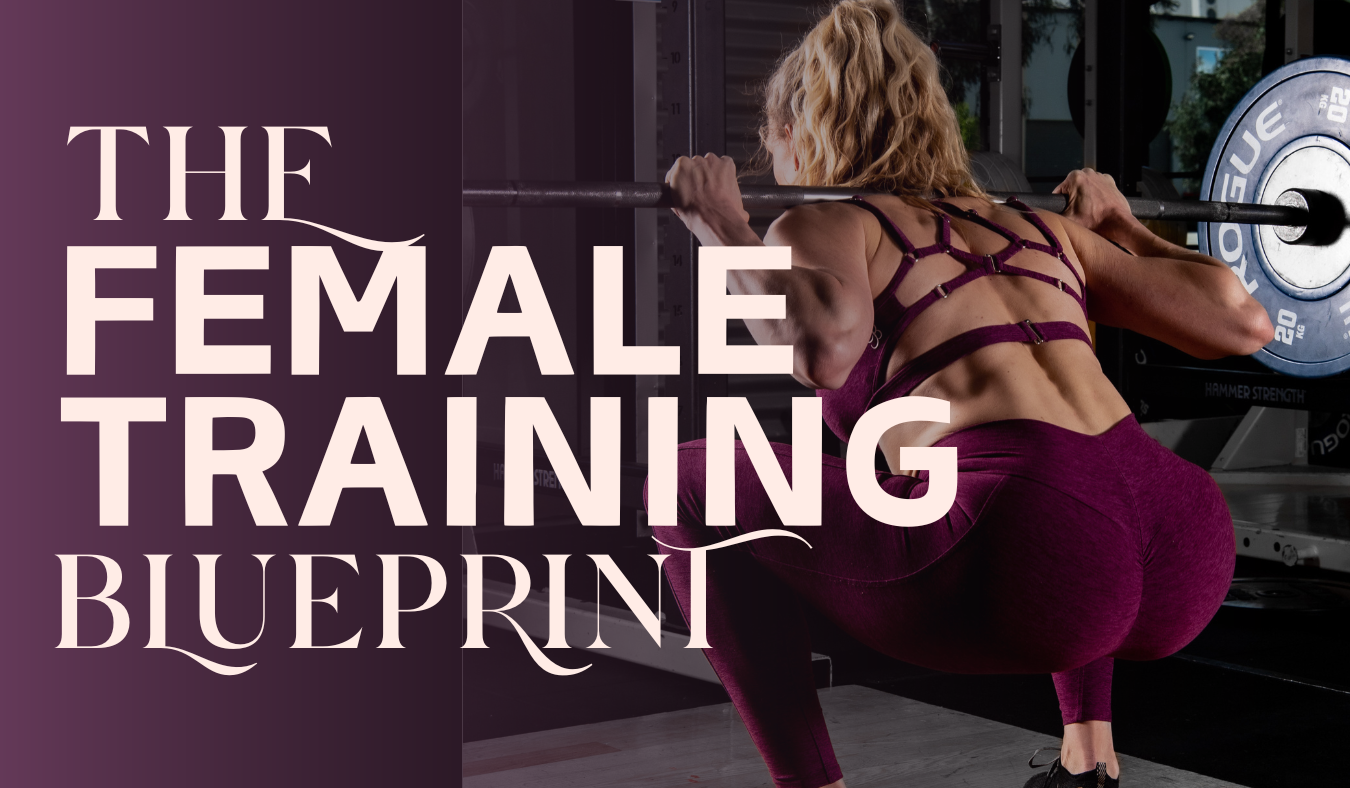
If this has you thinking about how much you would like to build muscle, check out my Female Training program, it's a self-paced course which will help you master your time at the gym.
Muscle Improves Carbohydrate and Blood Sugar Handling
Muscle is the primary storage site for glycogen (stored carbohydrate). When you have adequate muscle:
- carbs are more likely to be stored in muscle rather than fat
- blood sugar swings are smaller
- cravings are less reactive
This contrast to when muscle mass is low:
- carbs are poorly tolerated
- blood sugar regulation is harder
- “overeating” feels uncontrollable rather than optional
Which is especially relevant for people with:
- insulin resistance
- a long dieting history
- stress‑driven eating patterns
Muscle increases metabolic flexibility. Without it, the body is far less forgiving.
Muscle Buffers Stress and Hormonal Load
Stress isn't just in the mind, it is also in the body. When muscle mass is low, stress hormones (especially cortisol) have a greater impact on fat storage, blood sugar, and appetite. When muscle mass is higher:
- stress is better buffered
- recovery systems work more efficiently
- appetite is more stable under pressure
This is one reason people who train for strength often feel more regulated, not less — even when fat loss is not the primary goal. Weight training really gives you special kind of 'grounded' feeling.
Muscle Is Protective as You Age
After about age 30, muscle mass naturally declines unless actively maintained. This loss:
- lowers metabolic rate
- increases injury risk
- reduces functional capacity
- increases all‑cause mortality risk
Fat loss without muscle preservation accelerates this decline, so if weight loss is achieved at the cost of muscle, the “result” may look good short‑term — but it often creates problems later:
- poorer metabolic health
- greater fragility
- difficulty sustaining a healthy weight long‑term
Fast Results Often Come From Muscle Loss
This is the part that’s rarely said clearly. When fat loss happens very quickly, a significant portion of what’s lost is often lean mass, not body fat.
That extra few kilos someone “lost faster”? Often muscle (this is why your friend on Ozempic may seem to be loosing weight 'faster' - if you're focussed on long term health and muscle maintenance, you will lose fat, not muscle, but with fast weight loss, muscle is sacrificed as well).
This difference doesn’t show up on the scale, instead it shows up later as:
- stalled progress
- increased fatigue
- reduced strength
- weight regain once the method is removed
Preserving muscle usually means progress looks slower, but slower progress is often higher‑quality progress.
Muscle Changes the Rules of Fat Loss
When you have more muscle:
- you don’t need extreme restriction
- you recover from over‑eating more easily
- you have a larger margin for error
- you rely less on control and suppression
This is why muscle is an insurance policy.
It protects you when:
- motivation drops
- life gets stressful
- routines aren’t perfect
- appetite fluctuates
It gives you resilience, not fragility.
Fat Loss Without Muscle Is Temporary
You can lose fat without building or preserving muscle. But you can’t reliably keep fat off without it. This isn’t about aesthetics or “lifting heavy.” It’s about function, capacity, and sustainability. If your fat loss approach:
- undermines strength
- requires constant suppression
- feels fragile to maintain
It’s not finished yet.
Muscle isn’t a bonus feature of fat loss.
It’s the foundation that makes it last.
Hope that helps you want to keep your muscle! Muscle is the true 'fountain of youth'.
Jen X
Author